
Financing the Valley’s New Standard: The Arizona Renovation & Casita Guide
Fund your renovation without refinancing your low-rate mortgage.
In 2026, the “Arizona Dream” is expanding. Whether you are building a backyard casita, installing a high-end Valley pool, or gutting a Scottsdale kitchen, your home’s equity is one of the more cost-effective ways to fund it, particularly if you’re protecting a low-rate mortgage.
If your primary mortgage is locked in at 3%, a traditional “refi” isn’t the answer. The strategies worth understanding are ones that work alongside your current loan, leaving your original low-rate mortgage exactly where it is. Here is how to fund a Scottsdale renovation without touching your first mortgage rate.
Arizona’s New ADU Laws: Why Valley Homeowners are Building Casitas in 2026
More Valley homeowners are choosing to build in 2026:
- The New ADU Law: Thanks to recent Arizona legislation (HB 2720), homeowners in cities like Phoenix and Scottsdale can now build Accessory Dwelling Units (ADUs) up to 1,000 sq. ft. and rent them out separately.
- The Valuation Jump: A permitted casita with a full kitchen adds measurably more value than an unpermitted guest room, and in a Phoenix market where home values have shown consistent long-term appreciation, a legal ADU can meaningfully improve your home’s resale position.
- The Construction Reality: Building in the Valley currently ranges from $150 to $300 per square foot. A standard 500 sq. ft. casita typically requires a “stash” of $90,000 to $150,000.
Beyond the Casita: Funding Pools, Fixer-Uppers, and Kitchens
Equity isn’t just for guest houses. Pools, kitchens, and fixer-uppers are all candidates depending on your goals and timeline.
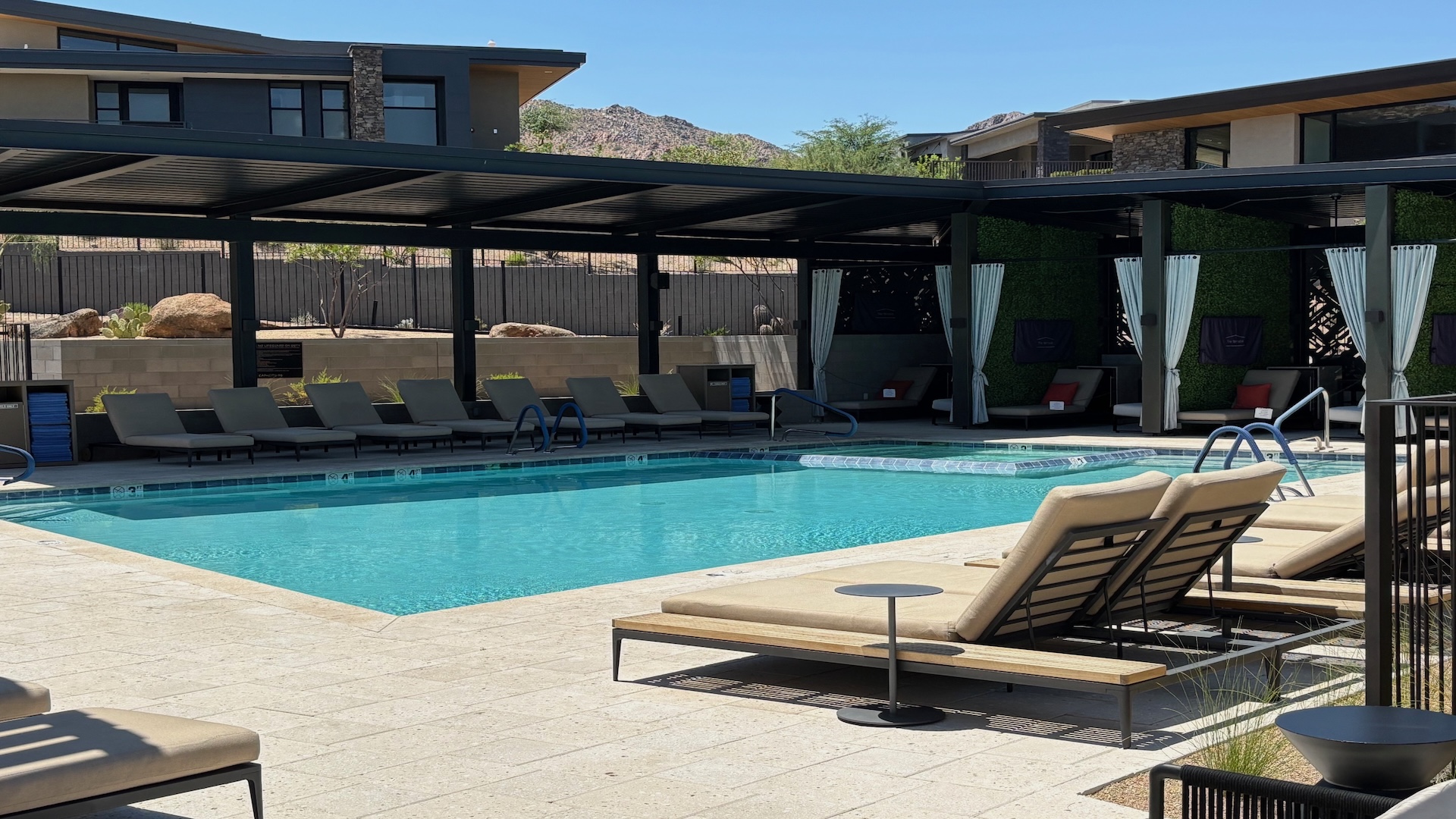
- Pools & Landscaping: In Arizona, a pool is a neighborhood standard. But with custom in-ground builds, including decking and required safety barriers, averaging $100,000 to $130,000 in 2026, few homeowners want to liquidate their savings to pay for it. Using a Second Mortgage allows you to lock in a fixed rate and preserve your liquidity for other goals. Already have a pool that is showing its age? Resurfacing an existing pool runs a fraction of a new build, and the finish you choose changes the long-run cost more than most homeowners expect.
- Kitchen Remodels: A major kitchen renovation in Scottsdale or Paradise Valley often hits the $70,000+ mark when you include stone countertops and professional-grade appliances. Because kitchens are consistently among the higher-ROI renovation categories in the Arizona market, using a HELOC to fund the project in stages is a strategic move for your home’s future resale value.
- Primary Bathrooms: A full master bath remodel in the Valley typically runs $30,000 to $60,000, with high-end projects reaching $90,000 or more. Because the work is billed in stages, using a HELOC for a master bathroom remodel lets you draw as the contractor invoices rather than paying interest on the full amount from day one.
- The “Fixer-Upper”: Found a “diamond in the rough” in Gilbert or Mesa? You don’t have to wait years to renovate. Certain lines allow you to borrow against the future value of the home, giving you the capital to gut the house before you even move in.
HELOC vs. Second Mortgage: The Smart Way to Fund Your Project
For most Arizona renovations, there are three primary tools worth understanding:
- The HELOC (Best for Staged Projects): You don’t get a huge bill on day one. You only pay for the money you’ve actually sent to your contractor. This is ideal for casitas and kitchens where builders hit milestones over several months.
- The Second Mortgage (Best for One-Time Costs): If you have a fixed-price contract for a pool or a roof, a home equity loan gives you a “one and done” lump sum with a predictable, fixed payment from day one.
- The Home Equity Investment (Best when you cannot qualify for either): If your income is hard to document or your credit sits below most lender minimums, an HEI trades the monthly payment for a share of your home’s future value. It usually costs more over time in a rising market, so before going this route on a renovation, understand how an HEI treats the value your remodel adds, since most providers require documentation to exclude it from their share. See our HEI for home improvement article.
Wondering what rates look like right now for either product? See the current Arizona HELOC and home equity loan rates.
Learn More About Renovation

FAQ: Arizona Renovation, Pool & Casitas
For a major pool project, a Fixed-Rate Second Mortgage is often preferred because pool builders usually have a very strict payment schedule. Having the full amount ready to go ensures you don’t lose your spot on their calendar, and the fixed payment protects you from any rate changes during the 6-month build.
Minor kitchen refreshes in the Valley are currently seeing returns of 75-85%, while major “gut” remodels return roughly 60-70%. However, in luxury pockets like North Scottsdale or Arcadia, an outdated kitchen can meaningfully affect buyer perception and negotiating position in those markets.
A “Guest House” is typically restricted to family or non-paying guests. However, under the 2026 Arizona ADU laws (HB 2720), a permitted Accessory Dwelling Unit is a legal rental. It must have its own kitchen and separate entrance. If you’re building for ROI, you want to ensure your permits say “ADU.”
While adding a permanent structure will increase your “Full Cash Value,” the impact in Maricopa County is often more manageable than homeowners fear. Because of Arizona’s Prop 117, your “Assessed Value” (the number used for taxes) can only grow by 5% per year. You’re essentially adding a high-value asset while your tax basis remains on a “slow climb.”
Because home values in neighborhoods like Grayhawk and Gilbert are well-documented, many Arizona lenders can verify equity and have funds ready in as little as 2 to 3 weeks, depending on documentation and lender timelines.
From a pure ROI perspective, the casita tends to outperform a pool in most analyses, primarily because of its income potential and appeal to a broader buyer pool. While a pool is a neighborhood standard in luxury pockets like North Scottsdale or Arcadia, a casita provides multi-generational housing or a dedicated rental unit. In a market where inventory is tight, a home with a legal ADU tends to attract strong buyer interest, particularly as multi-generational living and rental income become higher priorities for Valley buyers.
Yes. One practical advantage of a line of credit is the ability to pay for the “pre-construction” phase. You can use your credit line to pay for Scottsdale permit fees and blueprints before the first shovel ever hits the ground.
In Arizona, adding an ADU will cause the county to look at the new construction, but thanks to Prop 117, your “Limited Property Value” (the part you’re taxed on) is capped. It can only increase by 5% per year. This means you can add significant value to your home while your tax basis increases gradually.
It depends on your goal. While the 2026 Arizona ADU laws allow for separate rentals, many homeowners choose to “sub-meter” the casita to save on initial utility hookup fees while still tracking usage for tenants.
Caliche is a layer of calcium carbonate in our desert soil that is essentially as hard as concrete. If your property is in the East Valley or North Scottsdale, your casita’s foundation might require specialized digging equipment. It’s worth setting aside a small contingency in your credit line (call it a Scout Reserve) to cover these site-prep surprises.
EquitySquirrel, operated by Scout Media LLC, is an educational resource, not a lender. This content does not constitute financial, legal, or lending advice. Consult a licensed professional before making decisions about your home equity. Aleksandra Kadzielawski, Lic #SA694336000.